

Fraud prevention

Trusted by startups & the world’s largest companies


Research-backed, field-tested adaptive safeguards
Make verification easier for genuine users
Give users custom-branded, localized verification flows that are designed to move users through quickly.
Build confidence in who you can trust
Verify users through their preferred methods while collecting visual, image, device, network, and behavioral risk signals.
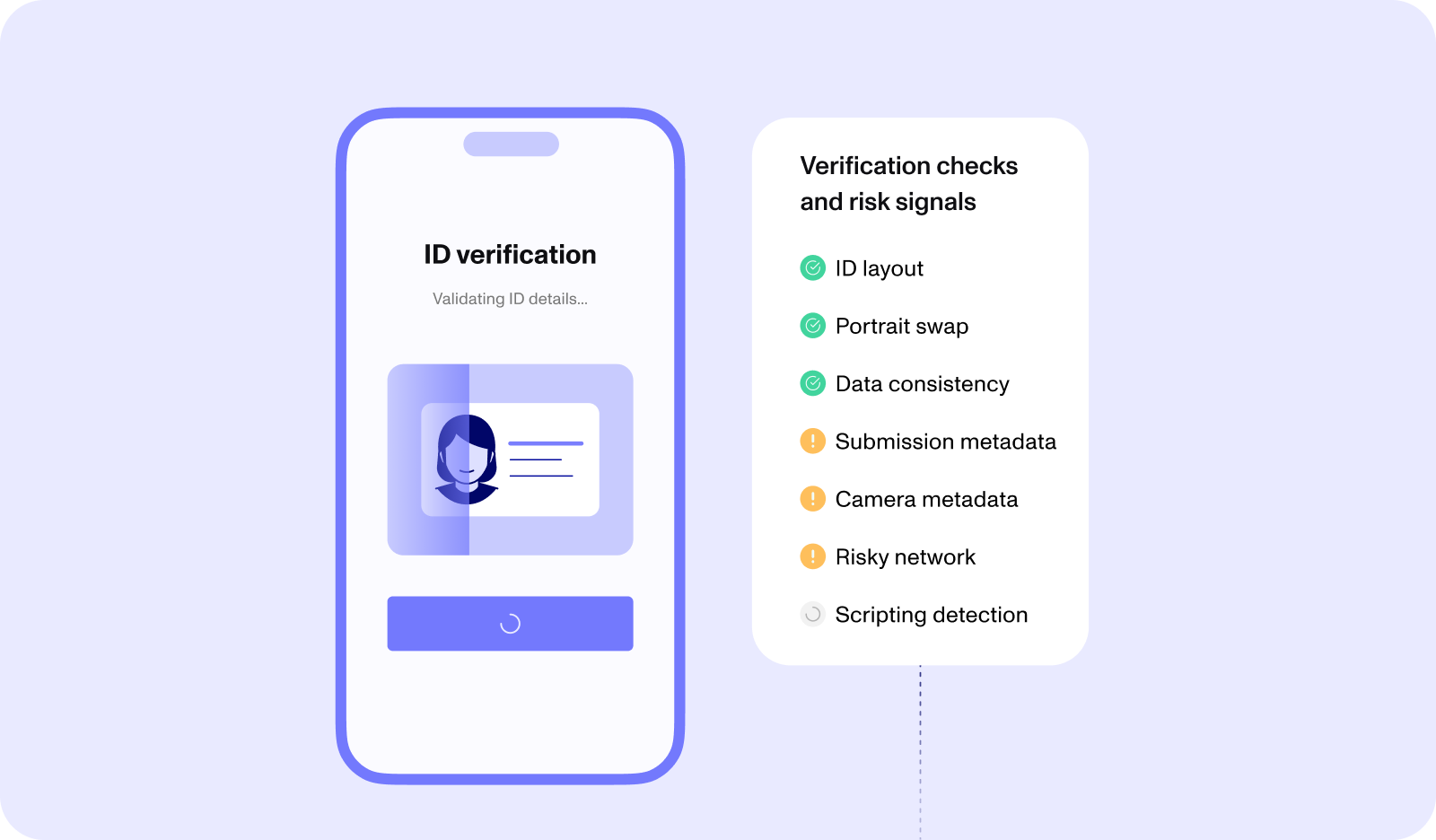
Use trusted records to protect against impersonation
Confirm consistency and surface risk by comparing submitted identity data with authoritative records, issuing sources, and watchlists.
Make sure genuine verifications stand apart from fraudulent ones
Apply verification-specific checks, like ID formatting, then layer ensemble signals for fraud vectors like injection attacks.
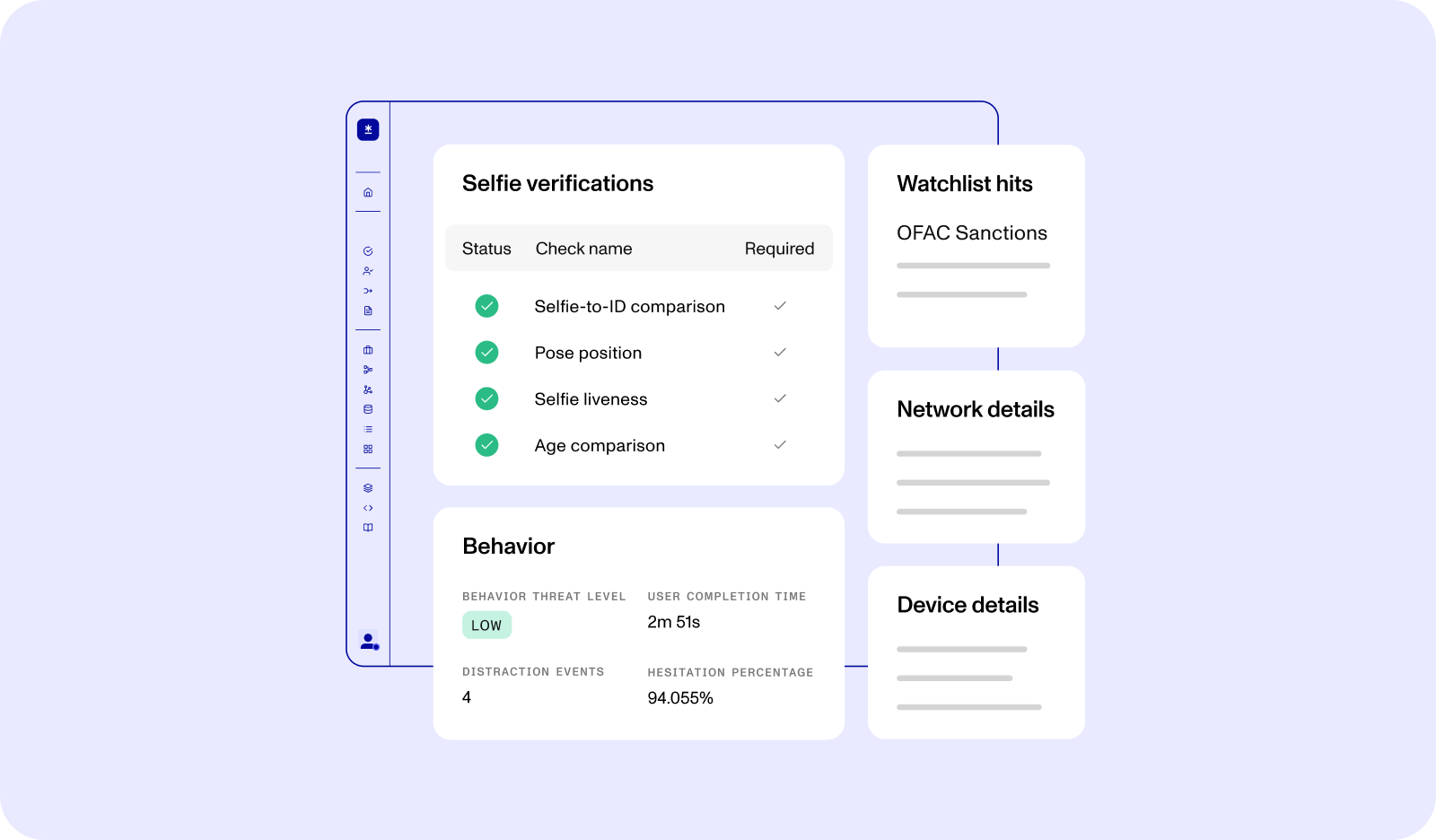
Increase assurance only when it’s needed
Turn your risk policies into automated workflows that block high-risk users or collect additional evidence through step-up verification.
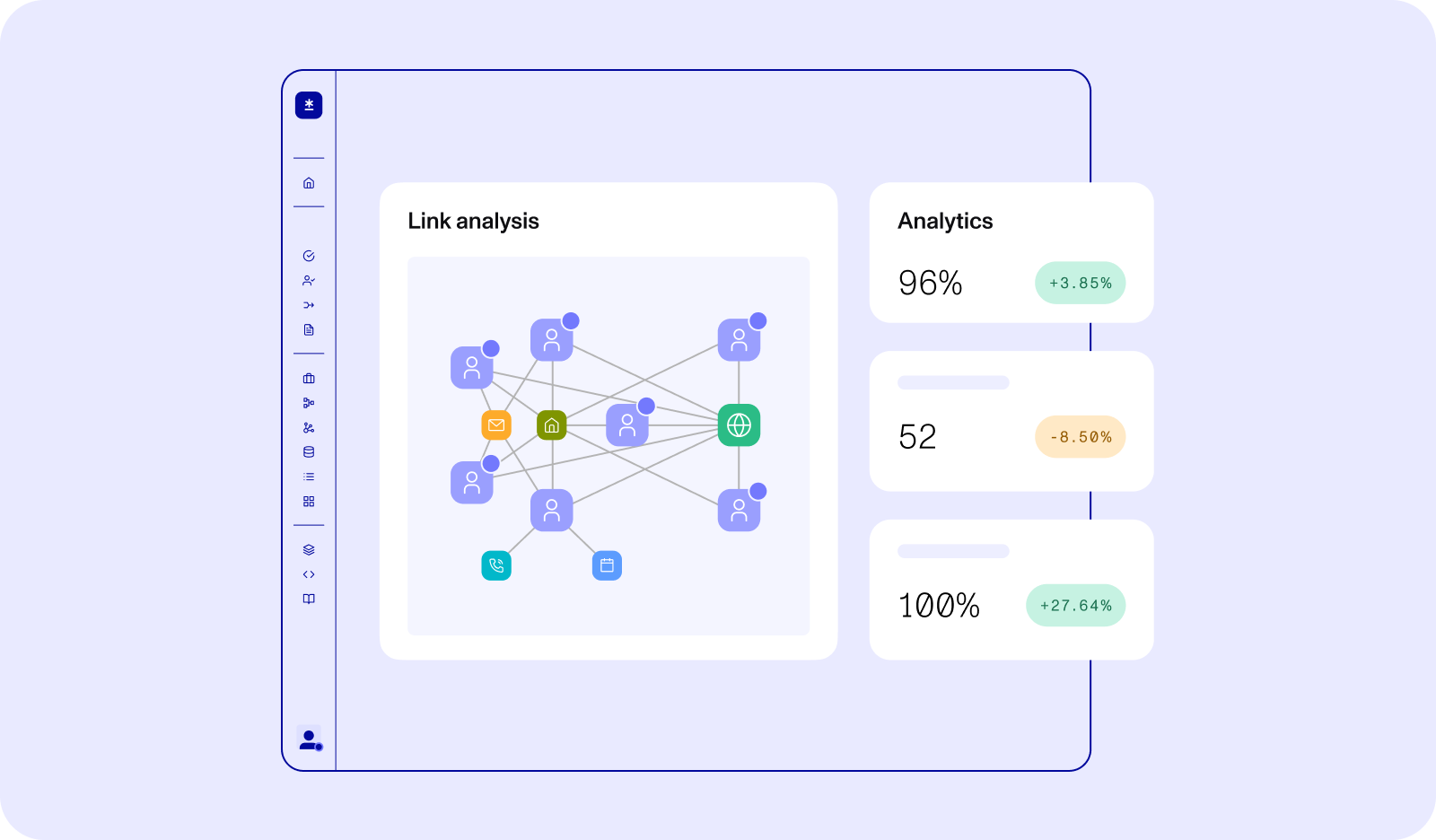
Spot broader patterns before they impact your community
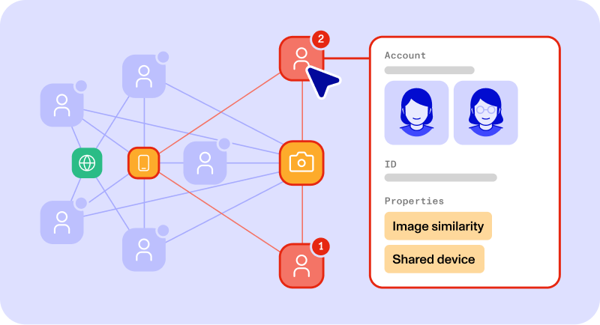
Reveal hidden relationships across multiple degrees of connection, through attributes like image similarity, shared devices, and networks.
Products used
Research-backed, field-tested adaptive safeguards
Protecting users with minimal friction starts with context
Make verification easier for genuine users
Give users custom-branded, localized verification flows that are designed to move users through quickly.
Build confidence in who you can trust
Verify users through their preferred methods while collecting visual, image, device, network, and behavioral risk signals.
Persona's research team collaborates with leading universities and research communities to ensure that our models and products stay at the leading edge of identity, machine learning, and computer vision research. Learn more about Persona's collaborations and read the peer-reviewed publications.
Explore Persona’s latest fraud capabilities
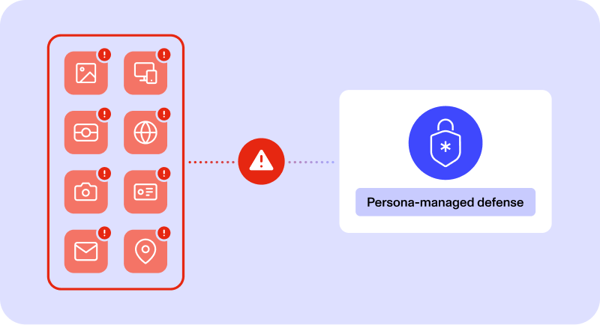

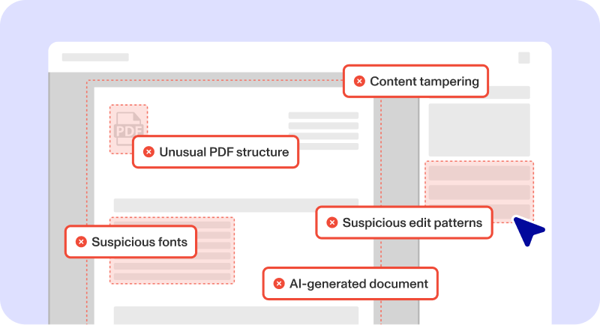
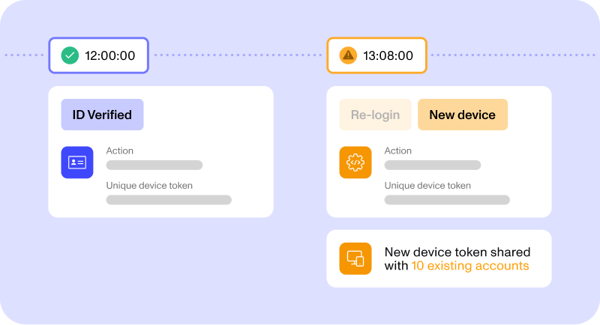
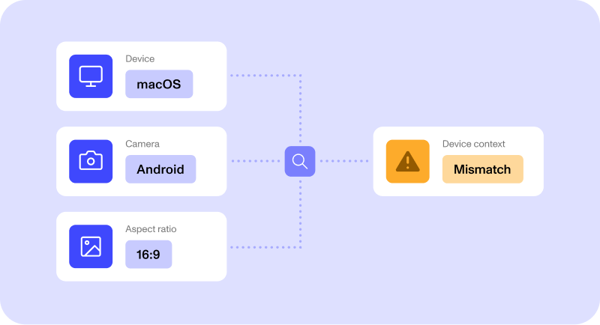
Build layered defenses against today’s major identity fraud vectors
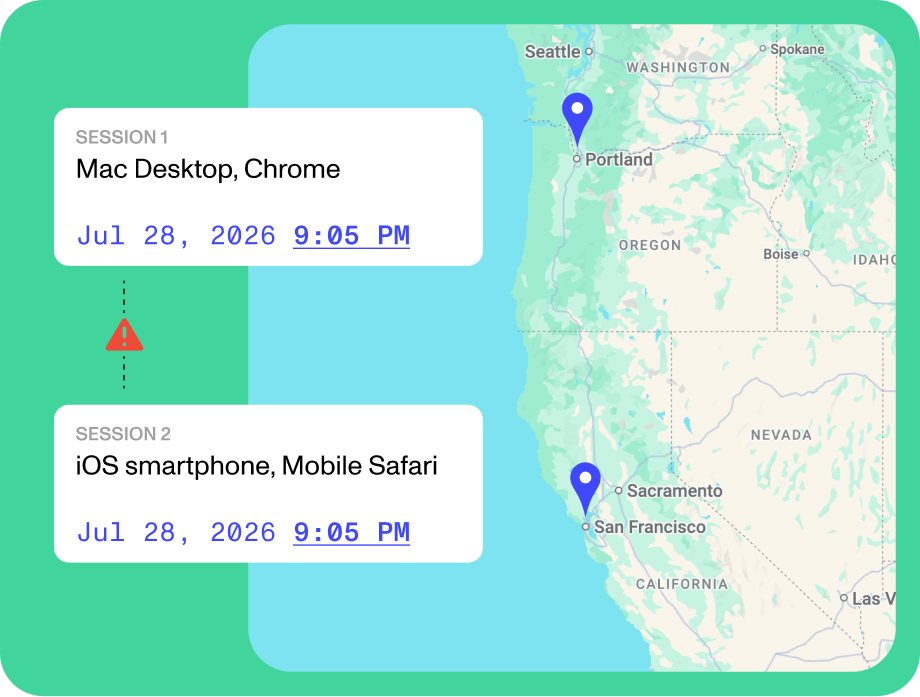
Find coordinated fraud through signs of location masking, scripting, and other shared attributes.
Combine visual analysis with device, network, and submission context to unveil signs of GenAI usage and video manipulation.
Detect mule activity by finding shared patterns, such as similar images or devices, across seemingly trustworthy legitimate IDs and faces.
Uncover fabricated identities by validating personal information against trusted data sources and phone and email risk indicators.
Surface automated attacks through behavioral patterns or device signals that indicate scripting and other non-human activity.
Confirm user identity before high-risk activities, such as large withdrawals, through a variety of methods from quick selfie checks to full verifications.
Authenticate users through each scheme’s native flow and use trusted digital credentials to verify identity with minimal friction.
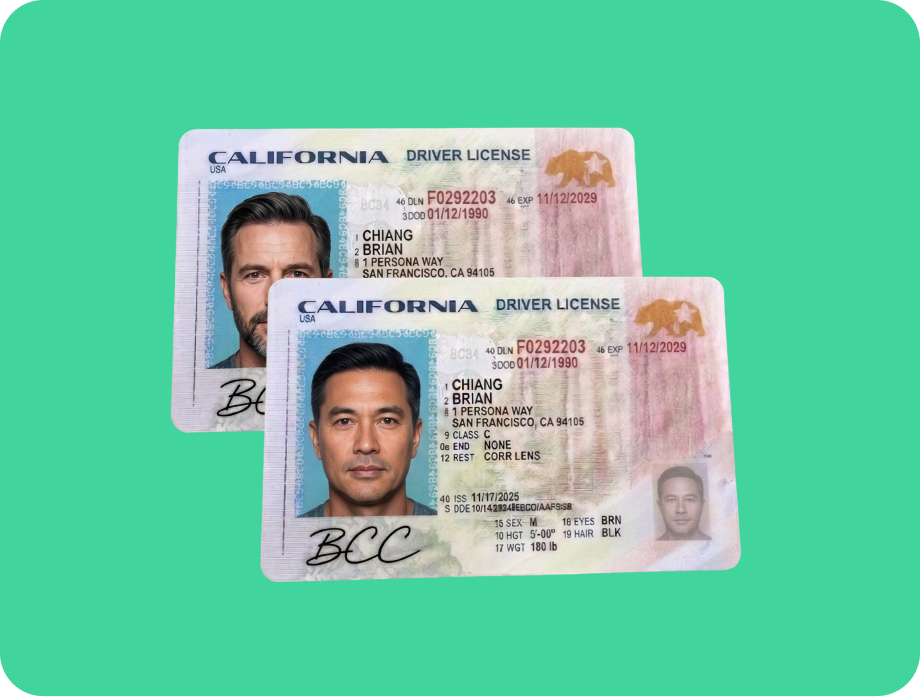
Evaluate encoded data and visual document features, from barcodes and MRZs to colors and layouts, to surface signs of manipulation.
Compare the selfie with the ID portrait to help confirm that the presenter matches the document.
Validate extracted or entered personal information against reliable databases to surface mismatches and potentially fabricated identities.
Screen users against global sanctions, watchlists, and adverse media with configurable matching to tune precision.
Assess financial statements, utility bills, and other supplemental documents across any format for inconsistencies and signs of manipulation.
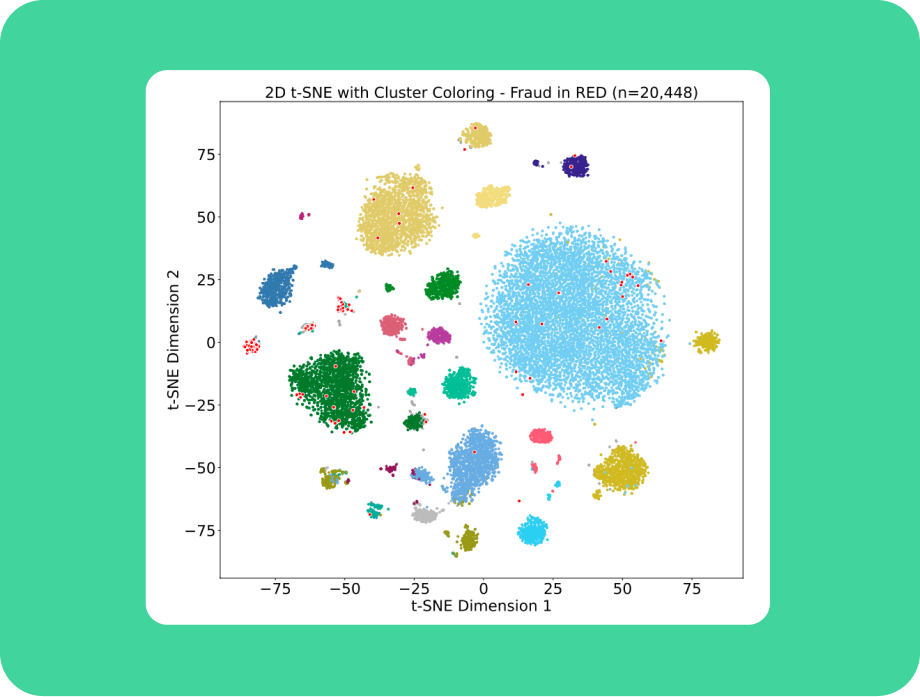
Learn how our innovations in partitioning and labeling enable rapid deployment cycles that match the pace of adversarial adaptation.
See how we use known ID layouts to detect minuscule formatting differences that can reveal manipulated documents.
Read what over 27 million fraudulent selfie verifications from early 2026 tell us about how attacks are changing.

